Home/Art Valuation
Art valuation in Auckland and across New Zealand
Independent, research-backed valuations for insurance, estates and sale, delivered as a proper written report for a fixed fee agreed before we start. Never a percentage of the valuation figure, and no obligation to sell.
A valuation is only useful if you can rely on it. Ours are built from real sales evidence, documented properly, and delivered with the basis of value stated in plain English, so your insurer, your solicitor or your buyer can all work from the same page.
Three different numbers, three different purposes
The single most common mistake we see is a valuation figure being used for the wrong purpose. The same painting can carry three legitimate and very different values at the same moment. Knowing which one you need is the first thing we establish.
Insurance value
Replacement cost: what it would take to source a comparable piece on the open market today, including dealer margin. Usually the highest of the three. This is the figure your policy should be written against.
Estate & probate value
Fair market value at a fixed date, usually date of death. Used by executors and solicitors for estate administration and for dividing assets between beneficiaries. Must be defensible and evidence-based.
Market value
What the piece would realistically achieve if you sold it now. We show the likely costs of selling separately, so you can see the net figure as well as the price. This is the number that matters when you're deciding whether to sell, hold, or split a collection.
Insuring at market value usually leaves you underinsured. Settling an estate at insurance value can overstate the estate and cost beneficiaries. We tell you which basis you need before we quote.
What you actually receive
Every valuation is delivered as a structured written report, not a figure in an email. It states the basis of value, the evidence relied on and the assumptions and limits, so an insurer, a solicitor, an accountant or a beneficiary can read it without needing us to explain it. Recipients set their own requirements, so tell us who the report is for before we quote.
- High-resolution photography of every item, including signatures, labels, edition marks and any damage
- Full catalogue entry: artist or maker, title, date, medium, dimensions, edition number where applicable
- Condition report noting restoration, foxing, craquelure, frame condition and anything affecting value
- Provenance where it can be established, including exhibition and publication history
- Comparable sales evidence: the actual results the valuation is reasoned from, not an unsupported number
- Stated basis of value, valuation date, and the assumptions and limitations applied
- Digital archive you keep: searchable, backed up, and easy to update as the collection changes
From a single painting to an entire estate
We work across fine art and the decorative arts, and we're equally comfortable with a single inherited work as with a several-hundred-item collection that has never been recorded.
- New Zealand and international paintings: oils, acrylics, watercolours, works on paper
- Prints and editions: screenprints, lithographs, etchings, artist proofs and limited runs
- Sculpture and three-dimensional work, including outdoor and site-specific pieces
- Photography: vintage prints, editions and contemporary work
- Māori and Pacific art and taonga, handled with appropriate care and consultation
- Antiques and decorative arts: ceramics, glass, silver, furniture, Asian works of art
- Collectibles: including trading cards, coins, stamps and militaria
A straightforward five-step process
Free conversation
Tell us roughly what you have and what the valuation is for. No cost, no obligation, and often we can give you a useful steer in ten minutes.
Fixed quote
We scope the work and give you one fixed fee in writing. It doesn't move once the work begins.
On-site inspection
We come to you, Auckland or anywhere in New Zealand, photograph everything and record condition on the spot. Travel outside Auckland is itemised in the quote, so there are no surprises.
Research
Comparable sales, auction records, dealer evidence and provenance research, weighted to the New Zealand market.
Report delivered
A complete written valuation plus your digital archive, usually within two to three weeks of the inspection, depending on collection size.
How to send photos for a first read: the front of the work, the back, the signature, and any labels or stamps, in daylight and without flash. Four or five pictures per piece is plenty. Send them by WhatsApp or email; there is no need to sort or clean anything first.
Our fee does not move with what it's worth
A free auction estimate is usually the front end of a consignment: it costs nothing because the business expects to earn a commission if you go on to sell through it. That is a legitimate way to work, but it is not the same thing as a valuation you have paid for and that stands on its own.
We charge a fixed fee for the valuation, and that fee is all the valuation costs. It does not change with the figure we arrive at. If you later decide to sell, that is a separate piece of work, quoted separately and agreed in writing, whether we broker the sale, consign it to auction or make you an offer ourselves. Any offer to buy is a buyer's price and is shown separately from the valuation.
If you decide to sell, two routes
The valuation stands on its own and there is never an obligation to sell. When you do want to, we set out the likely net figure for each route before you commit to any of them.
Brokered sale
We find the buyer: collectors, dealers and institutions we already talk to, and the right auction only when that is where the work will do best. Commission is agreed in writing before anything is offered, the work stays in your custody until a sale is agreed unless we arrange otherwise, and you are paid as soon as the buyer's funds clear, with a statement showing the price achieved and the agreed commission.
Direct purchase
For some works we will make an offer ourselves. When we do, we say so plainly: we are buying to resell, and the offer is a buyer's price, not a valuation. It suits estates and anyone who wants a clean finish with no waiting. You are free to take the number elsewhere.
What it costs: valuation work is a fixed fee, quoted before we start and driven by item count, research depth and travel. It is never a percentage of value. Brokerage is a separate engagement with its own written terms. Ask for a quote and you will have both figures in writing.
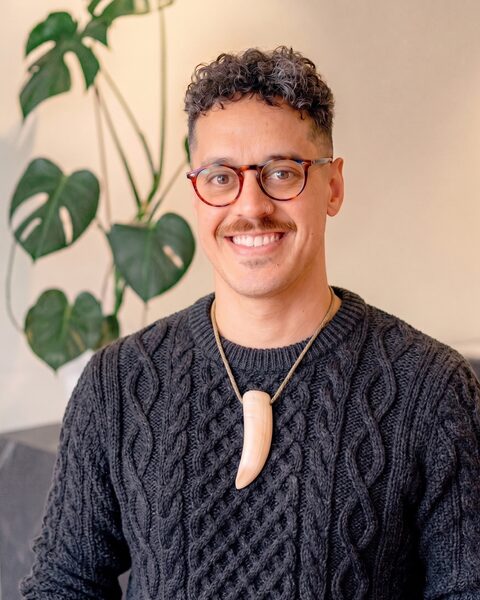
Every valuation, catalogue entry and sale is done by Luke, so the person you talk to on the phone is the person who inspects the work and signs the report. If a specialist opinion is ever needed, it is discussed with you before anything proceeds.
- International Society of Appraisers: candidate, Core Course in Appraisal Studies in progress
- Sotheby's Institute of Art, Art Appraisal course: enrolled, commences 7 October 2026
- Collecting and buying at auction: art since 2016, trading cards since the 1990s
Training is listed exactly as it stands, including what is still in progress. Read more about Luke →
Questions we're asked most
How much does an art valuation cost in New Zealand?
Is a valuation the same thing as an appraisal?
Will my insurer accept your valuation?
How often should art be revalued?
Do you value the work of New Zealand artists specifically?
Can you value from photographs?
What if a piece turns out to be worth very little?
Do you value things other than paintings?
Other ways we can help
Find out what your art is actually worth
Whether it's one inherited painting or a collection that has never been recorded, the first conversation is free and there's no obligation to go further.
Prefer to talk? luke@heatherandco.co.nz · WhatsApp · 027 489 7801