Home/Estate & Probate
Estate and probate valuation for art and collectibles
Independent, defensible date-of-death valuations for executors, solicitors and families, with full documentation, division schedules, and a clear account of what has market value and what needs further attention.
Clearing an estate is difficult enough without also having to guess what a houseful of unfamiliar objects is worth. We document everything properly, tell you what has market value and what doesn't, and give executors and beneficiaries one defensible set of numbers to work from.
Executors, solicitors and families
Executors
You have a legal duty to account for estate assets accurately. We give you a documented, evidence-based record of every item of value, prepared in a form that stands up to scrutiny from beneficiaries, the court and the estate's solicitor.
Solicitors & trustees
We work directly with legal and trustee professionals, deliver in the format you need, and keep the family out of the technical detail where that's easier for everyone.
Families
Often the hardest part isn't the money, it's dividing things fairly without falling out. Independent values give everyone the same starting point and take the argument out of the room.
What an estate valuation involves
We attend on site, work through the property room by room, and record everything of consequence. Nothing is moved or removed without your instruction, and we work at whatever pace the family needs.
Where an item warrants specialist research (an unattributed painting, an unusual piece of furniture, an inherited card or coin collection), we do that research rather than reaching for a guess.
- Room-by-room inventory with photographs of every recorded item
- Identification and attribution of artworks, antiques and collectibles
- Fair market value at date of death, with comparable sales evidence cited
- Clear separation of items with market value from items without, so effort goes where it counts
- Division schedules so beneficiaries can divide by value, with the same figures in front of everyone
- Insurance figures for anything that needs cover while the estate is settled
- Digital archive shared with the executor, solicitor and family as required
- A written report addressed to the executor, stating the basis of value, the valuation date and the valuer's details, ready to hand to the solicitor
The things that get thrown out
The most expensive mistakes in estate clearance are usually made in the first weekend, with good intentions and a skip bin. Once something has gone to the tip or the op shop, no valuation can bring it back.
- Boxes of trading cards and comics: routinely assumed to be children's clutter, occasionally worth more than the furniture
- Unsigned or unframed works on paper: often mistaken for prints when they are originals
- "Ugly" ceramics and Asian works of art: taste and value are not the same thing
- Paperwork: receipts, exhibition catalogues, letters and labels are provenance, and provenance is money
- Costume jewellery boxes: real pieces get mixed in and go out with the rest
If you are about to clear a property, the cheapest thing you can do is have someone look before anything leaves. An initial walkthrough conversation costs nothing.
If the estate decides to sell
Consigning to an auction house is one route, with a seller's commission, photography, cataloguing and insurance charges, and settlement some weeks after the sale. A managed private sale is another, and for some items we can make a direct purchase offer. Each route has different costs and timing, and the right one depends on what is being sold.
We set out the likely net figure for each route before the estate commits to any of them, with our commission or our offer agreed in writing first. A purchase offer from us is a buyer's price and is always shown separately from the valuation. There is never any obligation to sell, and an estate that keeps everything has still had a perfectly good outcome.
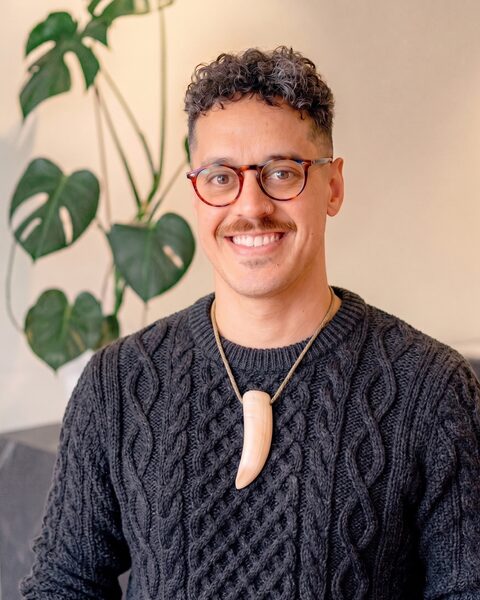
Every valuation, catalogue entry and sale is done by Luke, so the person you talk to on the phone is the person who inspects the work and signs the report. If a specialist opinion is ever needed, it is discussed with you before anything proceeds.
- International Society of Appraisers: candidate, Core Course in Appraisal Studies in progress
- Sotheby's Institute of Art, Art Appraisal course: enrolled, commences 7 October 2026
- Collecting and buying at auction: art since 2016, trading cards since the 1990s
Training is listed exactly as it stands, including what is still in progress. Read more about Luke →
Questions we're asked most
What is a probate valuation and when is one needed?
How quickly can you turn an estate valuation around?
What if the family has no idea what anything is?
Can you help divide items fairly between beneficiaries?
Do you work with solicitors and trustee companies?
What happens to items that turn out to be worth nothing?
Can you sell items on the estate's behalf afterwards?
Is the process confidential?
Other ways we can help
Settling an estate? Start here.
Before anything is cleared, sold or thrown out, have someone who knows what they're looking at take a look. The first conversation is free.
Prefer to talk? luke@heatherandco.co.nz · WhatsApp · 027 489 7801