Home/Trading Card Valuation
Trading card valuation and direct purchase in New Zealand
Pokémon, Magic: The Gathering, Yu-Gi-Oh! and sports cards, identified properly, valued from real sales data, and, if you want to sell, a written purchase offer you can compare with anyone else's. The first read from photos is free.
Most people who contact us about cards have the same two questions: what have I actually got, and is anyone going to give me a fair price for it. We answer both with evidence, and any offer we make is shown separately from the valuation so you can compare it with other offers.
Pokémon, Magic, Yu-Gi-Oh! and sports
Pokémon
Base Set through modern. Shadowless, 1st Edition, holo and reverse holo, Japanese sets, promos, trophy cards, error prints and sealed product. We know the difference between a shadowless Charizard and a standard print, and we'll show you how to see it too.
Magic: The Gathering
Alpha, Beta and Unlimited, Arabian Nights and early expansions, Reserved List staples, foils, misprints and sealed boxes. Old MTG is one of the most consistently undervalued things sitting in New Zealand cupboards.
Yu-Gi-Oh!
Early English and Japanese print runs, Secret and Ultimate Rares, tournament promos and limited editions.
Sports cards
Rugby, cricket, basketball, football and motorsport: vintage through modern rookies, parallels, autographs and memorabilia cards.
Where the value really sits
Two identical cards can differ in price by a factor of twenty based on condition alone. Most collections we see contain a handful of cards where condition is the entire story, and a lot more where it isn't worth grading at all.
We assess each significant card the way a grader will, and we're honest when the answer is that a card looks better in your hand than it will under a loupe.
- Centring: front and back, measured, not eyeballed
- Corners and edges: whitening, softening, dings
- Surface: scratches, print lines, holo scuffing, indentation
- Print variation: shadowless, 1st Edition stamps, set symbols, error prints
- Authenticity: we check for counterfeits, resealed product and trimmed cards
- Sealed product: weight, seal integrity and provenance where relevant
PSA, BGS and CGC: when it's worth it
Grading is not automatically a good idea. Each submission carries a fee and a turnaround delay, and on a card where the graded premium is small or the condition is marginal, you can easily spend more than you gain. The decision should be made card by card, on evidence.
- Pre-grading assessment: a preliminary view of visible condition before you spend anything; the grading company decides the grade
- Cost-benefit call: expected graded value against submission cost and turnaround, per card
- Submission preparation: correct sleeving, packing and paperwork so nothing is damaged in transit
- Service level guidance: which grader and which tier actually suits your cards
- Post-grading strategy: whether to hold, sell raw, or sell graded once results come back
A rough rule of thumb: if a card is unlikely to be worth several times the submission cost once graded, grading rarely pays, and no grade is certain until the card comes back. We'll tell you which side of that line each card falls on, and why.
Two routes, and we'll tell you which is better
Direct purchase
We buy the collection outright at a stated, itemised price. An offer from us is a buyer's price, shown separately from any valuation so you can compare it with other offers. Cash in hand, settled immediately, nothing deducted from the agreed price and no waiting on a sale. Best when you want certainty and a clean finish, which is particularly common with estates and downsizing.
Managed sale
For collections with genuine headline pieces, a managed sale into the right market may return more after commission, though it takes longer. We handle cataloguing, grading, listing and the transaction for a commission agreed in writing before anything is listed, and you keep the rest.
We set out the likely net figure for each route before you decide, and any commission or offer is agreed in writing first. Read more about how we work →
Four things that cost people money
- Don't sort or re-sleeve unnecessarily. Handling is the fastest way to knock a card down a grade. Leave it as you found it unless the storage is actively damaging the cards, and ask before separating cards that are stuck together.
- Don't clean anything. Wiping a surface scratch makes it worse and is detectable by graders.
- Don't throw out packaging. Boxes, wrappers and original sleeves can carry real value, especially with sealed product.
- Don't accept the first offer. Any buyer, including us, is buying to resell. When we make an offer we are wearing a buyer's hat, and we will say so. If you want a figure that is separate from any offer, ask for a valuation, or compare offers before you agree to anything. You are free to take our numbers elsewhere.
How to send photos for a first read
Do not sort, clean or re-sleeve anything first unless the storage is actively damaging the cards. Take a few wide shots of the binder, box or pile as it is, then closer shots of anything that looks promising, front and back, in daylight and without flash. Ten to twenty photos is usually enough for a first read of a whole collection.
Send them on WhatsApp or by email. The contact form cannot take attachments. We reply within one working day.
- Free first read: an honest indication of whether there is real value in the collection, and what to do next
- Written report on one card, if you want one, for a card with a real question behind it, such as a print variation, an edition or an error. The fee is quoted before any work begins
- Written valuation of a collection, quoted separately: each significant card identified by set and print run, condition noted, comparable sales cited and the basis of value stated
- Written offer, if you want to sell to us: itemised per card so you can compare it with anyone else's
- Grading plan: which cards are worth submitting, to which grader, and which are better sold raw
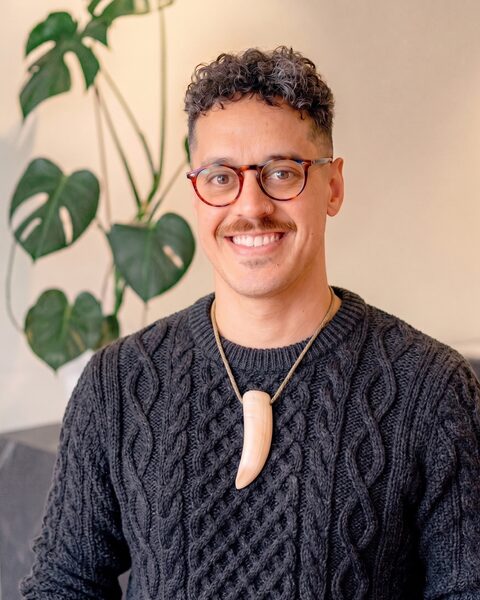
Every valuation, catalogue entry and sale is done by Luke, so the person you talk to on the phone is the person who inspects the work and signs the report. If a specialist opinion is ever needed, it is discussed with you before anything proceeds.
- International Society of Appraisers: candidate, Core Course in Appraisal Studies in progress
- Sotheby's Institute of Art, Art Appraisal course: enrolled, commences 7 October 2026
- Collecting and buying at auction: art since 2016, trading cards since the 1990s
Training is listed exactly as it stands, including what is still in progress. Read more about Luke →
Questions we're asked most
How do I find out what my Pokémon cards are worth in NZ?
Do you buy cards outright, or do I have to wait for a sale?
What cards do you handle?
Should I get my cards graded before selling?
How do you work out what a card is worth?
I inherited a collection and don't know what any of it is. Where do I start?
What makes a card genuinely valuable?
Do you handle collections outside Auckland?
Other ways we can help
Not sure what's in the binder?
Send a few photos and we'll tell you honestly whether there's real value there. Free, no obligation, and no pressure to sell.
Prefer to talk? luke@heatherandco.co.nz · WhatsApp · 027 489 7801